In the ever-evolving world of manufacturing, innovation is the key to staying ahead of the competition. One such innovation that has been gaining significant traction in recent years is Vertical Insert Molding (VIM). This advanced technique is transforming the way precision components are assembled, offering a range of benefits that include reduced part costs, increased production efficiency, and improved part quality.
What is Vertical Insert Molding?
Vertical Insert Molding is a process where metal or plastic components are inserted into a mold base and then over-molded with plastic resin. The process is typically performed on a vertical insert molding machine, which allows for the automated insertion of the component into the mold before the molding process begins. This method ensures precise alignment and positioning of the insert within the molded part, resulting in a strong bond and seamless integration.
Advancing Technology
The technology behind VIM has seen significant advancements, with the latest machines now capable of handling multiple inserts with a high degree of accuracy. This has opened up new possibilities for complex assembly designs that were previously difficult or costly to produce. The use of robotics and automated systems has also contributed to increased efficiency and reduced labor costs.
Benefits of Vertical Insert Molding
The benefits of VIM are manifold and have been a key driver in its adoption across various industries. Some of the most notable benefits include:
Cost Efficiency: By combining multiple components into a single molding process, VIM can reduce material waste and minimize assembly costs.
Strength and Durability: The over-molding process creates a strong bond between the insert and the plastic part, resulting in a more durable final product.
Design Flexibility: VIM allows for the integration of multiple materials and components in a single part, enabling designers to create more complex and functional designs.
Consistent Quality: The automated nature of VIM ensures consistent part quality and repeatability, which is essential for high-volume production.
Reduced Assembly Time: Since the inserts are molded in place, there is no need for secondary assembly operations, saving time and reducing the risk of damage to the components.

Industry Applications
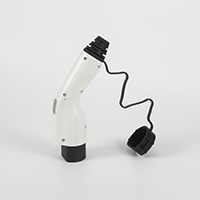
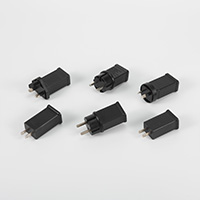
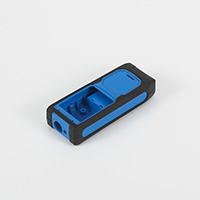
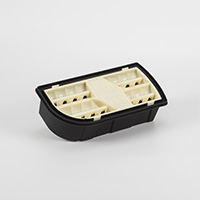
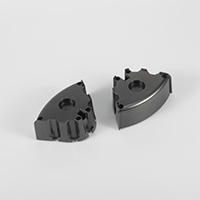
Vertical Insert Molding has found applications in a wide range of industries, including automotive, medical, electronics, and consumer goods. In the automotive industry, VIM is used to produce components such as sensor housings, connector assemblies, and decorative trim. In the medical field, it is employed for the production of precision instruments and devices that require embedded metal parts for strength and durability.
Environmental Considerations
VIM also offers environmental benefits. By reducing material waste and minimizing the need for secondary assembly operations, the process contributes to a reduction in overall manufacturing waste. This aligns with the growing trend towards sustainable manufacturing practices.
Future Outlook
As with any technology, there are challenges to overcome. However, the future of Vertical Insert Molding looks promising. Continued advancements in automation and material science are expected to further enhance the capabilities of VIM, making it an even more attractive option for manufacturers looking to improve efficiency and reduce costs.
In conclusion, Vertical Insert Molding is a game-changing technology that is redefining the way precision components are assembled. Its ability to produce high-quality, durable parts with reduced production times and costs makes it a valuable asset in the manufacturing industry. As the technology continues to evolve, it will be exciting to see the new possibilities it will bring to the production of complex and intricate components.



 Sep 23, 2024|
 View:1076