



The Non-working Period
- Die Casting Mold: A Detailed Die Cast Mold Tooling Guide
What's the die casting mold?A die casting mold, also known as a die or a mold, is a tool or equipment used in the die casting process to shape and produce metal components with high precision and accuracy. It is a critical component in the overall die casting operation.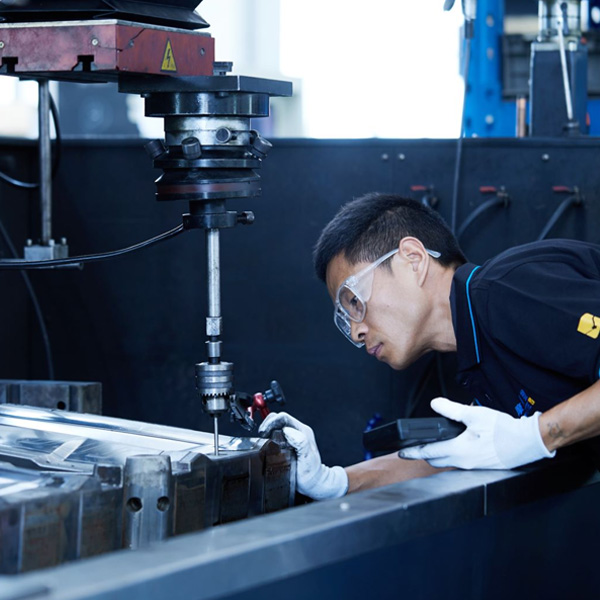
- The die casting mold is typically made up of two halves, the "cavity" and the "core," which fit together to create a hollow space in the desired shape of the final product. The mold is custom-designed based on the specific geometry and requirements of the part to be produced.
During the die casting process, molten metal, usually aluminum, zinc, or magnesium, is injected under high pressure into the mold cavity. The molten metal fills the mold cavity and solidifies rapidly, taking on the shape of the mold. Once the metal has solidified, the mold is opened, and the solidified part, known as the casting, is ejected from the mold for further processing or finishing.
Die casting molds are typically made from high-quality tool steels or other durable materials capable of withstanding the high temperatures and pressures involved in the die casting process. The mold design takes into consideration factors such as part geometry, draft angles, gating system, cooling channels, and ejection mechanism to ensure proper metal flow, minimize defects, and facilitate efficient production.Die casting molds are crucial in achieving consistent and repeatable casting quality, dimensional accuracy, and surface finish. Proper maintenance and periodic inspection of the molds are necessary to ensure their longevity and optimal performance.
Overall, the die casting mold serves as a crucial tool in the die casting process, enabling the production of complex, high-quality metal components used in various industries such as automotive, aerospace, electronics, and consumer goods. - Die Casting Mold Design and DevelopmentDie Casting Mold Design and Development is a critical process in ensuring successful die casting operations and achieving high-quality castings. 9 key points to consider in the design and development of die casting molds include:
Draft Angle
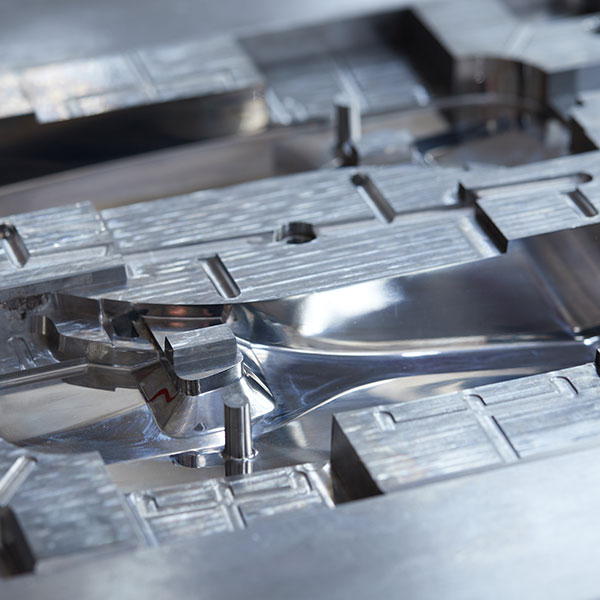
The draft is the degree to which a mold core can be tapered. A precise draft is needed to smoothly eject the casting from the die, but since the draft is not constant and varies according to the angle of the wall, features such as the type of molten alloy used, shape of the wall, and depth of the mold can affect the process. Mold geometry can also influence draft. In general, untapped holes require tapering, due to the risk of shrinkage. Likewise, inner walls can also shrink, and therefore require more drafting than outer walls.
Fillets on Mold & PartA fillet is a concave junction used to smooth an angled surface. Fillets, or rounded edges, are essential to avoid sharp corners and stress concentrations in both the mold and the casting. Properly designed fillets improve mold durability and casting integrity, reducing the risk of cracks and defects. With the exception of the parting line, fillets can be added nearly anywhere on a mold.
Parting LineThe parting line of a die casting mold is the dividing line between the two halves of the mold, which determines the shape and location of the casting within the mold. Here are some important considerations regarding the parting line of a die casting mold:
● Position of the parting line: The parting line should be placed as close as possible to the flat surfaces of the casting or in areas that do not affect the appearance and functionality of the final part. A well-placed parting line helps reduce flash and defects.
● Shape of the parting line: The parting line can be straight, curved, or follow complex contours depending on the geometry and design requirements of the casting.
● Number of parting lines: Depending on the shape and structure of the casting, multiple parting lines may be required to facilitate mold assembly and ejection. The number of parting lines should be evaluated based on the specific circumstances, ensuring they do not negatively impact the quality and performance of the casting.
● Flatness of the parting line: The flatness of the parting line is crucial for proper mold assembly and the surface quality of the casting. The parting line should be kept flat to ensure accurate mold assembly and consistency in the castings.
● Treatment of the parting line: The parting line can be treated through techniques such as chamfering, polishing, or the application of special parting line release agents. Appropriate treatment helps minimize the visibility and impact of the parting line on the casting.
Well-designed parting lines ensure the proper functioning of the mold and enable the production of high-quality castings. In die casting mold design, the position, shape, and treatment of the parting line need to be matched with the requirements of the casting, aiming to minimize flash, defects, and challenges during mold assembly.
BossesBosses are die-cast knobs that serve as stand-offs or mounting points in die cast tooling. Manufacturing industries usually add a hole to the internal structure of the boss to make sure the walls have a uniform thickness. It is challenging to fill bosses with metal, and thus, ribbing and filleting are essential to eliminate this issue.
Part RibsDie casting ribs to help improve the strength of the material for a product lacking the desired wall thickness. Selective rib placement improves fill capability and decreases product weight. It also reduces the occurrence of non-uniform thickness and stress cracking.
Holes and Windows on PartThe design of holes and windows in the part should consider their size, location, and draft angles for effective mold release and proper metal flow during the casting process. Having holes and windows in aluminum die casting mold allows for the creation of substantial drafts and ease in removing a completed mold. However, features like flashovers, cross feeders, and overflow are necessary to prevent material flow and unwanted cast in the holes. Holes and windows are among the essential things in design geometry. They affect the flow of molten metal and play a vital role in the product’s final quality.
Cooling SystemThe cooling system is a vital component of a die casting mold and plays a crucial role in the overall die casting process. It helps control the temperature of the mold, promotes solidification of the molten metal, and facilitates efficient production. Here are some key aspects of the cooling system in a die casting mold:
● Cooling Channels: Cooling channels are passages or channels within the mold that circulate a cooling medium, typically water or a water-based solution. These channels are strategically designed and placed in close proximity to the mold cavity and core to extract heat from the molten metal and aid in its solidification.
● Channel Layout: The layout and design of the cooling channels depend on the complexity of the mold, the shape of the casting, and the desired cooling efficiency. The channels should be positioned to provide uniform cooling across the mold surface, ensuring consistent solidification and minimizing thermal gradients.
● Channel Size and Shape: The size and shape of the cooling channels can vary depending on factors such as the cooling requirements and the available space within the mold. Generally, channels with smaller diameters and more intricate paths enhance heat transfer and cooling efficiency.
● Water Inlet and Outlet: The cooling system typically includes water inlet and outlet connections to allow for the circulation of cooling water or coolant through the channels. Proper flow rates and pressure should be maintained to ensure adequate cooling and avoid any potential blockages or restrictions.
● Baffles and Inserts: Baffles and inserts are used in the cooling channels to regulate the flow of coolant and enhance heat transfer. They can be strategically placed to direct the coolant to specific areas of the mold that require more intensive cooling.
● Temperature Control: The cooling system may incorporate temperature sensors or thermocouples to monitor and control the mold temperature. This allows for adjustments in the cooling process to maintain optimal casting conditions and prevent issues like porosity, shrinkage, or distortion.
Efficient cooling systems in die casting molds help reduce cycle times, improve casting quality, and enhance the longevity of the mold. Proper design, layout, and management of the cooling channels ensure effective heat extraction, uniform cooling, and precise control over the solidification process, resulting in high-quality castings with minimal defects.
SymbolsManufacturers always add product logos or brand names in the mold design in die casting. Some casting has a date to differentiate a batch from another batch. Although symbols do not make the design process complex, they can add to the cost of production. A raised logo will require a different metal for every manufactured part, while an indented symbol will require a lesser amount of metal.
Wall thickness of PartThe wall thickness of the casting impacts the overall strength, dimensional stability, and cooling characteristics. The mold design should consider maintaining uniform wall thickness throughout the part. Uniformity will provide a smooth metal flow when filling. The main aim is for the die casting mould to fill before the solidification process to prevent cold shuts, porosity and warpage.
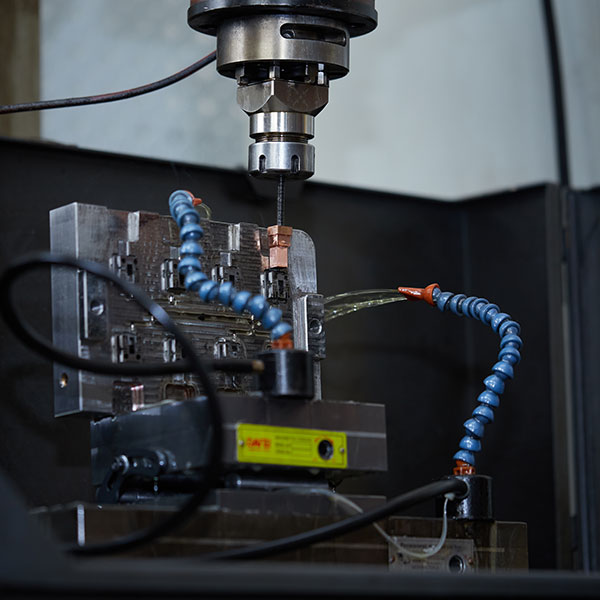
- General Steel Materials For Die Casting MoldsThe selection of die casting molds mainly depends on the temperature and type of the cast metal. How to choose suitable mold steel to increase the mold life of die casting molds, especially high melting point metals.
1. Aluminum alloy die casting mold
The temperature of the aluminum alloy melt is usually around 1202~1292℉. The mold life of aluminum alloy die casting molds should be focused on whether mold sticking and early dry cracking of the mold cavity occur. At present, General used aluminum alloy die casting mold steels included: 4Cr5MoSiV1 (H13), 4Cr5MoSiV (H11), 3Cr2W8V, and new steel grades Y10 and HM3.
2. Zinc alloy die casting mold
The melting point of zinc alloy is 752~806℉, and the surface temperature of the zinc alloy die-casting mold cavity will not exceed 400°C. The materials generally used to manufacture zinc alloy die-casting molds are alloy structural steels 40Cr, 30CrMnSi, 40CrMo, etc., alloy mold steels 5CrNiMo, 5CrMnMo, 4Cr5MoSiV, 4Cr5MoSiV1, 3Cr2W8V, CrWMn, etc.
3. Magnesium alloy die casting mold
The melting point of magnesium alloy is 1202℉. Die-casting has a good molding feature. The tensile strength of magnesium alloy castings is equivalent to that of aluminum alloy castings, generally up to 250Mpa, up to more than 600Mpa. The most commonly used is H13 steel or materials with similar properties. After machining, the cavity part is quenched and annealed to make the hardness within the range of 46-48HRC. Only the cavity part and special parts of the mold need to use H13 steel, and these parts generally account for 20-30% of the weight of the entire mold. The other parts of the mold are made of low-carbon steel and medium-carbon steel.For smaller die cast parts with relatively simple geometric switches, molds of standardized modules are often used.
Compared with aluminum alloy, magnesium alloy has lower hot melt, and its iron content is also very low. Therefore, the mold has a longer life.
- The Application of Die Casting MoldDie casting molds have a wide range of applications and are primarily used in the following industries:

Automotive Industry: Die casting molds play a crucial role in automobile manufacturing. They are used to produce engine components, transmission parts, chassis assemblies, body structures, and other critical parts.
Aerospace Industry: The aerospace sector has a high demand for high-strength and lightweight components. Die casting molds are used to produce aircraft engine parts, structural components, hydraulic system parts, and more.
Electronics and Telecommunications Industry: Die casting molds are extensively used in the manufacturing of electronic products and communication devices. They are used to produce mobile phone casings, computer parts, connectors, heat sinks, and other components.
Household Appliances: Die casting molds are employed in the production of housings and components for household appliances such as refrigerator parts, air conditioning casings, washing machine components, and more.
Industrial Equipment: Die casting molds play a vital role in manufacturing various industrial equipment and machinery components, including pump bodies, valves, gears, transmission parts, and more.
Sports Equipment: Die casting molds are utilized in the production of various sports equipment, such as bicycle parts, golf club heads, tennis racket frames, and more.
The application of die casting molds is not limited to the industries mentioned above. They are used in almost every industry that requires the production of large quantities of high-precision metal parts. By utilizing appropriate mold design and manufacturing techniques, efficient, accurate, and cost-effective production of metal parts can be achieved.
- How To Maintain A Die Casting Mold During The Non-working Period1. After the tool is running for a period of time and before storage, check the important dimensions and the mold components may damage that need to be repaired or replaced.
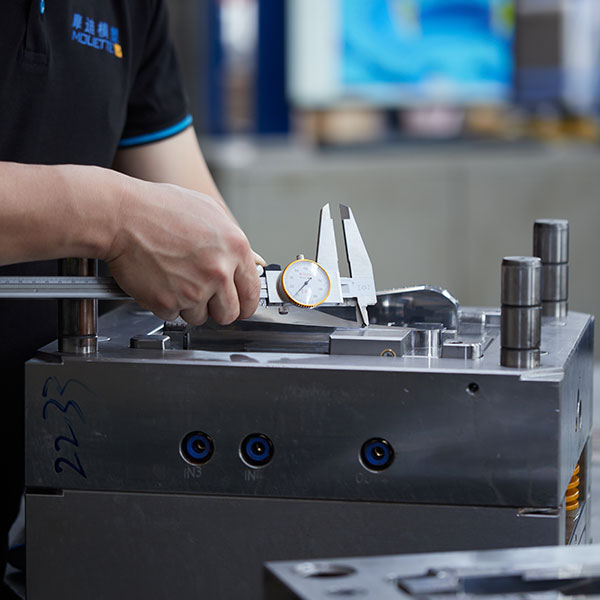
2. After confirming all tool components are no damaged, they must be cleaned up completely. Check whether there is residual material in the cavity, whether the material runner is clean, and whether the parting surface of the mold, top block, and sliding block working surface are strained.
3. The surface of the cavity should be carefully inspected. If there is rust or water rust, it should be polished again.
4. After the cavity is cleaned, to prevent rust, apply anti-rust oil.
5. Before the mold is placed in the storage place, remove the residual cooling water in the mold and the residual oil in the oil pipe, and then use the locking plate to fix the moving plate and the fixed mold to prevent it open.
6. Mold storage is required to be in a flat, dry, clean place that is convenient for lifting and handling. The storage should be classified, and similar molds should be placed together.
Whether you have a new part, are updating an existing one, or changing the manufacturing process, it’s important to design for manufacturing. The short and long-term cost/timing implications can be large if you’re not designing a component with the manufacturing process in mind.
If you’re designing a die casting part, we highly recommend getting an experienced die casting molder like MOUETTE involved as early as possible. With MOUETTE, you can leverage years of experience, a network of suppliers, in-house die casting mold design, mold building, and die casting to make your product come to life quickly and efficiently.
The next step is to upload your 3D CAD model online where you'll receive an interactive quote with free DFM analysis within hours. As we said earlier, the DFM analysis will highlight any moldabilty issues and even suggest solutions. We recommend pairing that design feedback with a conversation with one of our experienced applications engineers who will help with any further guidance you might need before production begins.
Get in Touch
If you have any questions about our products and services, please do not hesitate to contact us. Our team will reach you within 12 hours!
We offer an expansive selection of customization options that match the unique demands of the OEM market.
Quality control is always the highest priority, upholding strict standards in every step of the manufacturing process.