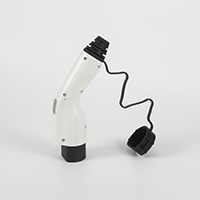
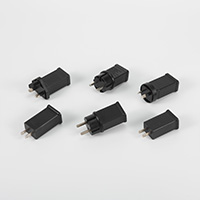
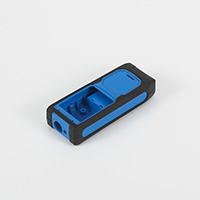
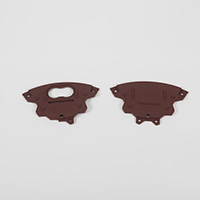
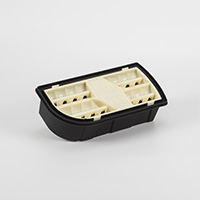
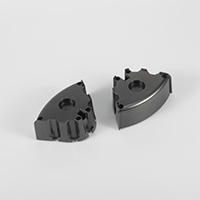
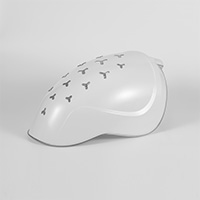



- Types of Elastomer MoldingTo be transformed into a useful product, elastomers can be molded using a few different methods. The outcome of these methods vary. Companies may choose a specific molding process based on cost, speed, precision, and purpose. Each method requires specific materials and equipment. Here are the four most frequently used approaches for molding elastomer:
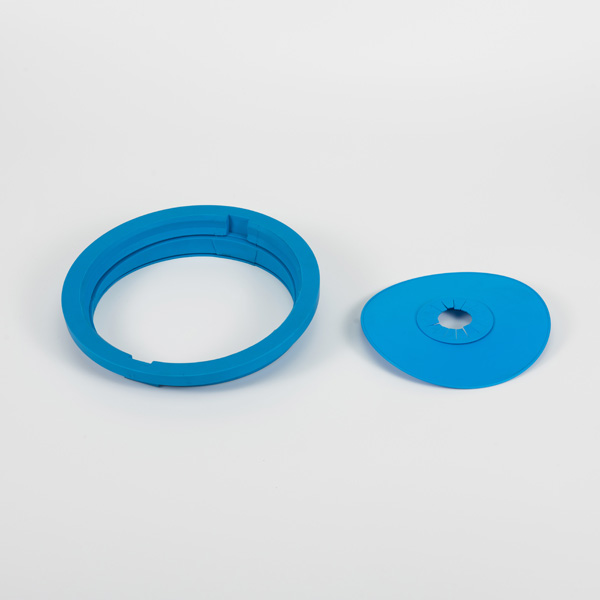
1. Injection Molding
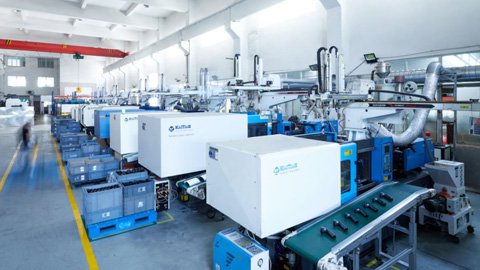
This is the most common way that elastomers are molded because it is quick and precise. The elastomer is first melted down so that it can be put into the injection unit. Then, the melted elastomer is injected into the mold. Once injected, it is either vulcanized or cooled so that it forms the shape of the mold, creating an elastomer molded part.
A typical rubber injection molding operation includes the following stages:
● Creation of a standard or custom mold (must be capable of withstanding the significant pressures produced during the molding operation)
● Feeding a rubber compound into the screw and barrel of a molding machine.
● Processing of the catalyzed rubber compound in a screw and barrel on the molding machine.
● High-pressure injection of the material into the molding cavity
● Heating of the material under high pressures to maintain product shape
● Removal of the molded form from the molding cavityAlthough it does require an additional step for raw material processing this is done in the injection molding machine, which makes rubber injection molding one of the most efficient, versatile, and popular ways to form higher quantity requirements for molded rubber products.
Advantages of Injection Molding
● Efficient process
● Fully automated insertion of raw material and ejection of final product
● High-precision products
● Repeatable process
● Allows for molding of complex geometries
● Eliminates preforming labor costs
● Produces little to no flash
● Rapid cycle times
● Significantly reduces waste
● Products are recyclable
● Tight dimensional tolerances
● Uniform parts
● Reduced tooling time2. Compression Molding
This molding process is the next most common. This process involves placing a pre-measured amount of uncured rubber material into a mold cavity. The mold is then closed, and heat and pressure are applied to the material, causing it to flow and conform to the shape of the mold. The heat also cures the rubber, transforming it into its final solid form.
Once the pre-forms are ready, the compression molding process proceeds as follows:● Placement of the pre-form into the molding cavity
● Application of pressure and heat to the pre-form, forcing it to fill and conform to the shape of the cavity (as the cavity fills, excess material leaks out of the cavity into the mold’s overflow grooves)
● Curing of the pre-catalyzed material compound in the mold to cross link the molecules.
● Manual removal of the molded part from the mold cavity
● Hand removal of any excess material from the part.
● Post molding operations such as trimming or nitrogen de-flashing.
Advantages of Compression Molding● Cost-efficient
● Less expensive tooling
● Increased cavity count
● Perfect for larger pieces needing extended curing time
● Accepts all forms of elastomers
● Eliminates the need for runners, sprues, or gates
● Simplified process
● Little to no waste3. Transfer molding
Similar to the injection molding process, transfer molding heats the elastomer and not the mold. The liquid elastomer remains in a pot until the molding process begins. A plunger pushes the elastomer into the closed mold where it forms the shape after being cooled or vulcanized. Transfer molding is often used for sealing electronic parts.
The stages of a typical transfer molding operation are as follows:
● Creation of the pre-form
● Placement of the pre-form into the “pot”
● Application of pressure by the plunger (or ram) to the pre-form
● Compression and transference of the pre-form into the molding cavity
● Curing of the pre-catalyzed material compound in the mold to cross link the molecules.
● Removal of the molded part from the molding cavity
● Post molding operations such as trimming or nitrogen de-flashing.
Advantages of Transfer Molding● Economical process
● Cost-effective tooling
● Shorter cycle times
● Highly precise parts
● Tight dimensional tolerances
● Long curing time for larger products
● Accepts all types of elastomers
● Multiple parts produced during each cycle
● Greater design flexibility allowing for sharp edges
● Reduced flash
● Simple process with pot, plunger, and mold4. Cast molding
This molding process includes using a liquid elastomer. It is poured into a hot mold and then moved to an oven to cure. The mold is only removed when the material has completely hardened. Most cast molded rubber has to be cured two times.- Industries Served by Rubber MoldingThere are limitless uses for rubber molded products, which makes them a valuable part of a wide variety of industries, from auto manufacturing to aeronautics and spacecraft producers. The guaranteed durability of rubber molded components has made them an essential part of several industrial processes.

- Aerospace
Rubber components for the aerospace industry must be dependable and meet exacting performance standards that are not required by other industries. Parts must be highly durable, have excellent weathering ability, and be able to withstand sudden variations in temperature. For passenger and aircraft safety, gaskets and seals are resistant to oil, gasses, and fire.
Automotive
The auto industry uses rubber parts in many sections of cars, from brakes and clutch seals to gaskets for the battery. The noise suppression capabilities of rubber parts make them ideal for consoles and other parts of a car's interior.
Print
An important use of molded rubber products in the printing industry is rubber rollers with three parts: their metal core, rubber bonding material, and rubber covering. These rollers are used in graphic arts and printing and are important for passing ink onto printing plates. Rubber pads are widely used for shock absorption along with rubber mountings.Home Appliances
Home appliance rubber parts are subjected to constant use and extreme temperature changes. Rubber molded parts have to be durable and strong enough to take intensive wear.Electrical
An important use for rubber molded products for the electrical industry is safety and protection. The products can include outlet covers, protection from shock, chemical resistance, methods for reducing electromagnetic interference, and sealing connections from dust and moisture. Much like all industries, parts have to be durable, resilient, and easy to use.
The main concern for the electrical industry is meeting the standards and regulations designed to protect workers and ensure safety.Agriculture
The demands of the agriculture industry may seem dissimilar to those of other production and manufacturing industries. What is important for agriculture is protection from leaks and seepage but also the ability to withstand harsh weather conditions that all agricultural products must endure. A major part of agricultural production is the use of chemical fertilizers and bug repellents, which have to be handled with great care.
Rubber molding produces gaskets and seals that give the necessary protection and safety that are required for handling the variety of chemicals used for agricultural production.Medicine
There are countless ways that rubber molded products are used in the medical field, from seals and gaskets on equipment to tubing to provide fluids. The durable nature of rubber makes it an ideal partner for medical use. Whether medical research or patient treatment, rubber molded parts and products can be found in every aspect of medical treatment.
The most important feature of rubber molded products is their ability to be recycled since most medical applications allow instruments to be used once and then disposed of.
Another factor of concern with medical instruments is the requirement to meet the exacting standards that have been set for patient treatment. Manufacturers strictly adhere to the legislated requirements and restrictions set for the protection of the public.Food and Beverage
The standards for rubber molded products for the food and beverage industry have to adhere to the regulations of the Food and Drug Administration (FDA) of the Federal Government. Products are required to be designed for exceptionally hygienic conditions and have the ability to endure regular cleaning and sanitization.
The FDA specifies the types of acceptable rubber compounds that can be used in producing parts and components in the food and beverage industries. The main concerns are that materials be non-toxic and non-carcinogenic.Chemical
The chemical industry produces a variety of products that include chemicals for agriculture, pharmaceutical use, paints, and the petroleum industry. The many products require a wide assortment of rubber products since rubber is chemically resistant. Hard rubbers are used for products in the chemical industry because they are made with a high percentage of sulfur, which makes them chemically inert and resistant to corrosion.

Integrity, And Responsiveness.













 ISO 9001 - 2015
Our Specialties.


Get Started With Your Next Injection Molding Project.
If you have any questions about our products and services, please do not hesitate to contact us. Our team will reach you within 12 hours!
We offer an expansive selection of customization options that match the unique demands of the OEM market.
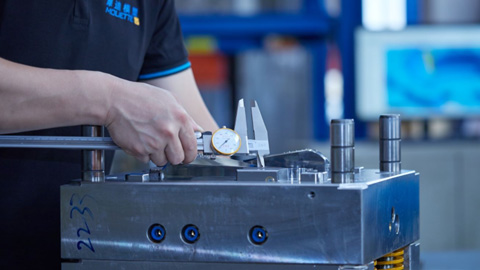
Quality control is always the highest priority, upholding strict standards in every step of the manufacturing process.